Bye Bye Moles: Natural Remedies for Safe and Effective Mole Removal
Moles are a common skin condition that affects millions of people worldwide. They are small, pigmented spots that can appear anywhere on the body. While most moles are harmless, some may be a cause for concern and require medical attention. Understanding mole removal methods is important for individuals who wish to get rid of their moles for cosmetic or health reasons.
Key Takeaways
- Moles are growths on the skin that can be caused by genetics, sun exposure, and hormonal changes.
- Conventional mole removal methods, such as surgery and laser treatments, can be expensive, painful, and leave scars.
- Natural mole removal remedies, such as apple cider vinegar and tea tree oil, can be effective and affordable alternatives.
- The best natural ingredients for mole removal include garlic, honey, and aloe vera.
- Essential oils, such as frankincense and lavender, can be used topically or in aromatherapy for mole removal.
Understanding Moles and Their Causes
Moles, also known as nevi, are clusters of pigmented cells that appear as dark spots on the skin. They can vary in size, shape, and color, and may be flat or raised. Moles are usually harmless and develop during childhood or adolescence. The exact cause of moles is not fully understood, but they are believed to be caused by a combination of genetic factors and exposure to sunlight.
There are several types of moles, including common moles, atypical moles, and congenital moles. Common moles are usually round or oval in shape and have a uniform color. Atypical moles, also known as dysplastic nevi, are larger than common moles and have irregular borders and uneven coloration. Congenital moles are present at birth and can vary in size and shape.
The Risks of Conventional Mole Removal Methods
Conventional mole removal methods include surgical excision, laser removal, and cryotherapy. While these methods can effectively remove moles, they come with certain risks and side effects. Surgical excision involves cutting out the mole and stitching the wound closed. This procedure may leave a scar and can be painful.
Laser removal uses a laser beam to break down the pigment in the mole. This method is less invasive than surgical excision but may still cause scarring or changes in skin pigmentation. Cryotherapy involves freezing the mole with liquid nitrogen, causing it to blister and eventually fall off. This method can also result in scarring and changes in skin pigmentation.
The Benefits of Natural Mole Removal Remedies
| Benefit | Description |
|---|---|
| Cost-effective | Natural mole removal remedies are often less expensive than medical procedures. |
| No scarring | Using natural remedies can reduce the risk of scarring compared to surgical removal. |
| No anesthesia | Natural remedies do not require anesthesia, which can be risky for some people. |
| No downtime | After using natural remedies, there is no downtime required for recovery. |
| No side effects | Natural remedies are generally safe and do not have the same side effects as medical procedures. |
| Easy to use | Most natural remedies can be easily applied at home. |
Natural mole removal remedies offer a safer and more affordable alternative to conventional methods. These remedies use natural ingredients that are gentle on the skin and have minimal side effects. They can be easily prepared at home and are suitable for all skin types.
One of the main benefits of natural mole removal remedies is that they do not leave scars or cause changes in skin pigmentation. They work by gradually breaking down the pigment in the mole, allowing it to fade over time. Natural remedies also promote healthy skin and can improve the overall appearance of the skin.
The Best Natural Ingredients for Mole Removal
There are several natural ingredients that have been found to be effective in removing moles. These include apple cider vinegar, garlic, castor oil, and tea tree oil.
Apple cider vinegar is a popular remedy for mole removal due to its acidic properties. It can help break down the pigment in the mole and fade it over time. To use apple cider vinegar for mole removal, soak a cotton ball in the vinegar and apply it to the mole. Leave it on for 15-20 minutes before rinsing off with water. Repeat this process daily until the mole fades.
Garlic is another natural ingredient that has been used for centuries for its medicinal properties. It contains enzymes that can break down the pigment in moles and promote their removal. To use garlic for mole removal, crush a garlic clove to extract its juice and apply it to the mole. Cover it with a bandage and leave it on overnight. Repeat this process daily until the mole disappears.
Castor oil is known for its moisturizing properties and can help soften and fade moles. To use castor oil for mole removal, apply a few drops of oil to the mole and massage it gently into the skin. Leave it on overnight and rinse off in the morning. Repeat this process daily until the mole fades.
Tea tree oil is a natural antiseptic that can help remove moles and prevent infection. To use tea tree oil for mole removal, dilute a few drops of oil with water and apply it to the mole using a cotton ball. Leave it on for 30 minutes before rinsing off with water. Repeat this process twice daily until the mole disappears.
How to Use Essential Oils for Mole Removal
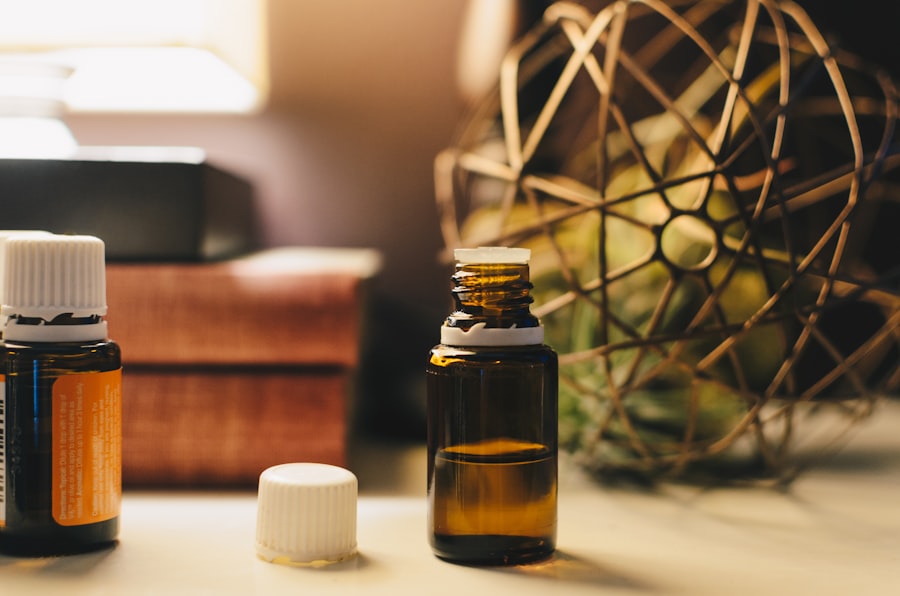
Essential oils are highly concentrated plant extracts that have been used for centuries for their healing properties. They can be used for mole removal due to their ability to break down pigments and promote skin regeneration.
Lavender essential oil is known for its soothing properties and can help fade moles over time. To use lavender essential oil for mole removal, mix a few drops of oil with a carrier oil, such as coconut oil or almond oil, and apply it to the mole. Massage it gently into the skin and leave it on overnight. Repeat this process daily until the mole fades.
Frankincense essential oil is another effective remedy for mole removal. It has anti-inflammatory properties that can help reduce the size and appearance of moles. To use frankincense essential oil for mole removal, mix a few drops of oil with a carrier oil and apply it to the mole. Leave it on for 30 minutes before rinsing off with water. Repeat this process twice daily until the mole disappears.
Home Remedies for Mole Removal: Tips and Tricks
When using home remedies for mole removal, there are several tips and tricks that can help enhance their effectiveness.
Firstly, it is important to be consistent with the chosen remedy and follow the instructions carefully. Most natural remedies require daily application for several weeks or months to see results.
Secondly, it is important to protect the skin from sun exposure during the mole removal process. Sunlight can darken the mole and make it more difficult to fade. Use sunscreen with a high SPF and wear protective clothing when going outside.
Lastly, it is important to be patient and realistic with expectations. Natural mole removal remedies take time to work and may not completely remove the mole. If the mole does not fade or shows signs of change, it is important to seek medical attention.
The Role of Diet and Lifestyle in Mole Prevention
While moles are primarily caused by genetic factors, diet and lifestyle can play a role in their prevention. Eating a healthy diet rich in fruits, vegetables, and antioxidants can help promote healthy skin and reduce the risk of developing moles.
Foods that are high in antioxidants, such as berries, leafy greens, and nuts, can help protect the skin from damage caused by free radicals. These foods can also help promote collagen production, which is essential for maintaining healthy skin.
On the other hand, certain foods may increase the risk of developing moles. Foods that are high in sugar and processed carbohydrates can cause inflammation in the body and increase the production of melanin, the pigment responsible for moles.
In addition to diet, lifestyle factors such as sun exposure and smoking can also increase the risk of developing moles. It is important to limit sun exposure, especially during peak hours, and wear sunscreen with a high SPF. Quitting smoking can also improve overall skin health and reduce the risk of developing moles.
How to Identify Cancerous Moles and When to Seek Medical Attention
While most moles are harmless, some may be a cause for concern and require medical attention. It is important to be able to identify cancerous moles and know when to seek medical attention.
Cancerous moles, also known as melanoma, often have irregular borders, uneven coloration, and may be larger than common moles. They may also change in size, shape, or color over time. Other signs of melanoma include itching, bleeding, or crusting of the mole.
If a mole exhibits any of these signs or if there is a sudden change in the appearance of a mole, it is important to seek medical attention. A dermatologist can perform a thorough examination and determine if further testing or treatment is necessary.
Natural Mole Removal for Sensitive Skin: What You Need to Know
Individuals with sensitive skin may need to take extra precautions when using natural mole removal remedies. Some ingredients may cause irritation or allergic reactions in sensitive individuals.
It is important to patch test any new ingredient or remedy on a small area of skin before applying it to the mole. This will help determine if there is any adverse reaction or sensitivity to the ingredient.
In addition, it is important to choose gentle and soothing ingredients for sensitive skin. Aloe vera gel, chamomile tea, and cucumber juice are all natural ingredients that can help soothe and calm sensitive skin while promoting mole removal.
The Future of Mole Removal: Innovations and Advancements in Natural Remedies
The field of natural mole removal is constantly evolving, with new innovations and advancements being made. Researchers are exploring new ingredients and techniques that can effectively remove moles without causing harm to the skin.
One potential breakthrough in mole removal technology is the use of nanoparticles. These tiny particles can penetrate the skin and target the pigment in moles, breaking it down and promoting their removal. Nanoparticles can be combined with natural ingredients to create targeted and effective mole removal treatments.
Another area of research is the use of stem cells for mole removal. Stem cells have the ability to regenerate damaged tissue and promote healing. They can be used to repair the skin after mole removal, reducing scarring and promoting healthy skin regeneration.
Moles are a common skin condition that can be safely and effectively removed using natural remedies. These remedies offer a gentle and affordable alternative to conventional mole removal methods. By understanding the causes of moles and the benefits of natural ingredients, individuals can take control of their skin health and achieve mole-free skin. It is important to be patient and consistent with the chosen remedy, and to seek medical attention if there are any concerns about the appearance or changes in moles. With the advancements in natural mole removal technology, the future looks promising for individuals seeking safe and effective solutions for mole removal.
FAQs
What is natural mole removal?
Natural mole removal refers to the use of natural remedies or techniques to remove moles from the skin without the need for surgery or medical procedures.
What are some natural remedies for mole removal?
Some natural remedies for mole removal include apple cider vinegar, garlic, tea tree oil, and aloe vera.
Do natural remedies for mole removal work?
There is limited scientific evidence to support the effectiveness of natural remedies for mole removal. It is important to consult with a healthcare professional before attempting any natural remedies.
Are there any risks associated with natural mole removal?
Natural mole removal techniques may cause skin irritation, scarring, or infection. It is important to follow proper hygiene and safety precautions when attempting any natural remedies.
When should I see a healthcare professional for mole removal?
It is recommended to see a healthcare professional for mole removal if the mole is changing in size, shape, or color, or if it is causing discomfort or bleeding. A healthcare professional can determine if the mole is cancerous and provide appropriate treatment.