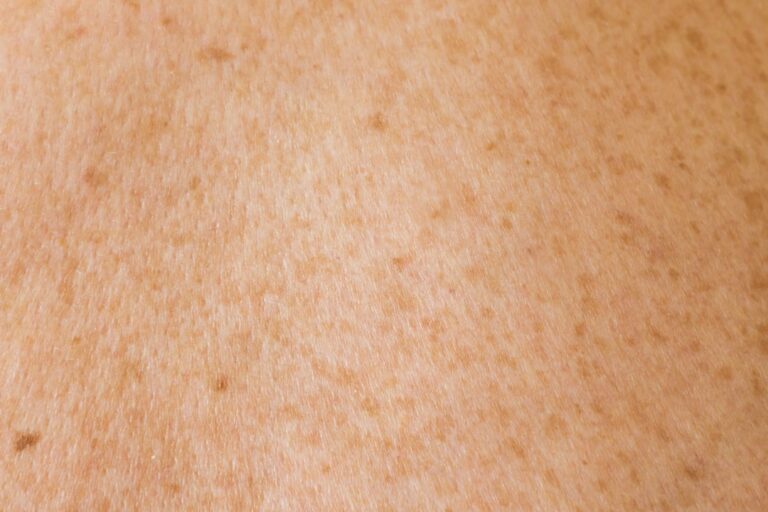
Bye-Bye Moles: Tips to Remove Them
Moles are common skin growths that can appear anywhere on the body. They are usually brown or black in color and can be flat or raised. While most moles are harmless, some may be cancerous or have the potential to become cancerous. Many people choose to remove moles for cosmetic reasons, as they may find them unsightly or bothersome. Others opt for mole removal for medical reasons, especially if the mole is changing in size, shape, or color.
There are various methods for mole removal, each with its own benefits and drawbacks. The choice of method depends on factors such as the size and location of the mole, as well as the individual’s preference and medical history. It is important to consult with a qualified dermatologist or plastic surgeon to determine the best method for your specific needs.
Key Takeaways
- Moles are common skin growths that can be removed for cosmetic or medical reasons.
- Moles can be identified by their size, shape, color, and location on the body.
- Natural remedies for mole removal include apple cider vinegar, garlic, and tea tree oil.
- Over-the-counter products like mole removal creams and patches can be effective, but may cause skin irritation.
- Surgical procedures like excision, shave, and laser removal are more invasive but offer permanent results.
Identifying Moles: Types and Characteristics
Moles can vary in size, shape, color, and texture. They can be flat or raised, and some may have hair growing out of them. Moles can range from small dots to larger patches on the skin. It is important to note that not all moles are the same, and some may require closer attention.
Some moles may change in appearance over time, which could be a cause for concern. Changes in size, shape, color, or texture should be evaluated by a dermatologist to rule out any potential health risks. Additionally, moles that bleed, itch, or become painful should also be examined by a medical professional.
Natural Remedies for Mole Removal: Home-Based Treatments
Some people prefer to try natural remedies for mole removal before considering more invasive methods. These remedies often involve using ingredients found in the kitchen or pantry, such as apple cider vinegar, garlic, or tea tree oil.
Apple cider vinegar is a popular choice for natural mole removal. It is believed to work by breaking down the cells that make up the mole. To use apple cider vinegar, soak a cotton ball in the vinegar and apply it to the mole. Cover it with a bandage and leave it on overnight. Repeat this process daily until the mole falls off.
Garlic is another natural remedy that is thought to have mole-removing properties. Crush a garlic clove and apply it directly to the mole. Cover it with a bandage and leave it on overnight. Repeat this process daily until the mole disappears.
Tea tree oil is known for its antiseptic and antifungal properties. It is believed to work by drying out the mole, causing it to eventually fall off. To use tea tree oil, apply a few drops directly to the mole and cover it with a bandage. Repeat this process daily until the mole is gone.
It is important to note that natural remedies may take longer to show results compared to other methods, and they may not be effective for all types of moles. Additionally, it is crucial to use caution when attempting home-based treatments and to stop if any adverse reactions occur.
Over-the-Counter Products: Creams, Ointments, and Patches
There are various over-the-counter products available for mole removal. These products often contain ingredients such as salicylic acid or other chemicals that help break down the cells of the mole.
Salicylic acid creams or ointments are commonly used for mole removal. These products work by softening the skin cells of the mole, allowing them to be easily removed. To use salicylic acid creams or ointments, apply a small amount directly to the mole and cover it with a bandage. Repeat this process daily until the mole disappears.
Adhesive patches are another option for over-the-counter mole removal. These patches contain ingredients that help break down the cells of the mole. To use adhesive patches, apply the patch directly to the mole and leave it on for the recommended amount of time. Repeat this process as directed until the mole is gone.
It is important to follow the instructions carefully when using over-the-counter products for mole removal. It is also crucial to stop use if any adverse reactions occur, such as redness, swelling, or irritation.
Surgical Procedures: Excision, Shave, and Laser Removal
Surgical procedures are more invasive methods for mole removal and are often performed by qualified dermatologists or plastic surgeons. These methods may be more effective for larger or more complex moles.
Excision involves cutting out the mole and stitching the skin back together. This method is often used for larger moles or moles that are suspected to be cancerous. The procedure is usually performed under local anesthesia, and the stitches are typically removed after a week.
Shave removal involves using a scalpel to shave off the mole at skin level. This method is often used for smaller moles that are not suspected to be cancerous. The procedure is usually performed under local anesthesia, and no stitches are required.
Laser removal involves using a laser to break down the cells of the mole. This method is often used for smaller moles and can be an effective option for those who prefer a non-invasive procedure. The number of laser sessions required depends on the size and type of mole.
It is important to have surgical procedures performed by a qualified dermatologist or plastic surgeon to ensure safety and optimal results. The choice of method depends on factors such as the size and location of the mole, as well as the individual’s preference and medical history.
Cryotherapy: Freezing Moles with Liquid Nitrogen
Cryotherapy involves freezing the mole with liquid nitrogen. This method is often used for smaller moles that are not suspected to be cancerous. The liquid nitrogen freezes the cells of the mole, causing them to die and eventually fall off.
During the procedure, the dermatologist or plastic surgeon applies liquid nitrogen to the mole using a cotton swab or spray. The area may feel cold or stinging during the process. After the treatment, a blister may form, which will eventually scab over and fall off.
Cryotherapy is generally a quick and relatively painless procedure. However, it may require multiple sessions depending on the size and type of mole. It is important to have cryotherapy performed by a qualified dermatologist or plastic surgeon to ensure safety and optimal results.
Electrocautery: Burning Moles with Electric Current
Electrocautery involves burning the mole with an electric current. This method is often used for smaller moles that are not suspected to be cancerous. The electric current burns the cells of the mole, causing them to die and eventually fall off.
During the procedure, the dermatologist or plastic surgeon uses a small probe to apply an electric current to the mole. The area may feel warm or stinging during the process. After the treatment, a scab will form, which will eventually fall off.
Electrocautery is generally a quick and relatively painless procedure. However, it may require multiple sessions depending on the size and type of mole. It is important to have electrocautery performed by a qualified dermatologist or plastic surgeon to ensure safety and optimal results.
Radiation Therapy: Using Radiation to Destroy Moles
Radiation therapy involves using high-energy radiation to destroy the cells of the mole. This method is often used for larger or more complex moles that are suspected to be cancerous. It is typically performed by a qualified radiation oncologist.
During radiation therapy, high-energy radiation beams are directed at the mole to destroy the cells. The number of radiation sessions required depends on the size and type of mole. The treatment is usually painless, but some individuals may experience side effects such as skin redness or irritation.
Radiation therapy is an effective method for mole removal, especially for larger or more complex moles. It is important to have this procedure performed by a qualified radiation oncologist to ensure safety and optimal results.
Prevention and Aftercare: Tips for Avoiding Mole Regrowth
After mole removal, it is important to take steps to prevent regrowth and to promote healing. Here are some tips for preventing mole regrowth:
1. Protect the area from sun exposure: Sun exposure can increase the risk of new moles forming and can also cause existing moles to darken. It is important to protect the area from the sun by wearing sunscreen, protective clothing, and seeking shade when necessary.
2. Keep the area clean and dry: Keeping the area clean and dry can help prevent infection and promote healing. It is important to follow any aftercare instructions provided by the dermatologist or plastic surgeon, such as keeping the area covered with a bandage or applying an antibiotic ointment.
3. Regular skin checks: Regularly checking your skin for any new or changing moles can help detect any potential issues early on. If you notice any new moles or changes in existing moles, it is important to consult with a dermatologist for further evaluation.
4. Sun protection: Protecting your skin from the sun’s harmful rays can help prevent new moles from forming. It is important to wear sunscreen with a high SPF, seek shade when necessary, and wear protective clothing such as hats and sunglasses.
It is important to follow any aftercare instructions provided by the dermatologist or plastic surgeon to ensure proper healing and minimize the risk of complications.
Choosing the Right Mole Removal Method for You
Mole removal is a common procedure that can be done for cosmetic or medical reasons. There are various methods available, each with its own benefits and drawbacks. The choice of method depends on factors such as the size and location of the mole, as well as the individual’s preference and medical history.
It is important to consult with a qualified dermatologist or plastic surgeon to determine the best method for your specific needs. They will be able to evaluate your moles and recommend the most appropriate treatment option. With proper care and attention, mole removal can be a safe and effective way to improve your skin’s appearance and health.
FAQs
What are moles?
Moles are small, dark, and furry mammals that live underground and are known for their distinctive burrowing habits.
Why do moles invade lawns and gardens?
Moles invade lawns and gardens in search of food, such as earthworms, grubs, and other insects.
What are the signs of a mole infestation?
Signs of a mole infestation include raised ridges or tunnels in the lawn or garden, mounds of soil on the surface, and dying or yellowing grass.
What are some natural ways to get rid of moles?
Some natural ways to get rid of moles include planting repellent plants, using castor oil, and creating barriers with gravel or wire mesh.
What are some chemical methods to get rid of moles?
Some chemical methods to get rid of moles include using mole repellent sprays, fumigants, and poison baits.
Is it safe to use poison baits to get rid of moles?
Poison baits can be effective in getting rid of moles, but they can also be dangerous to pets and other wildlife. It is important to use them carefully and according to the instructions on the label.
How long does it take to get rid of moles?
The time it takes to get rid of moles depends on the method used and the severity of the infestation. Some methods may take a few days, while others may take several weeks or months.