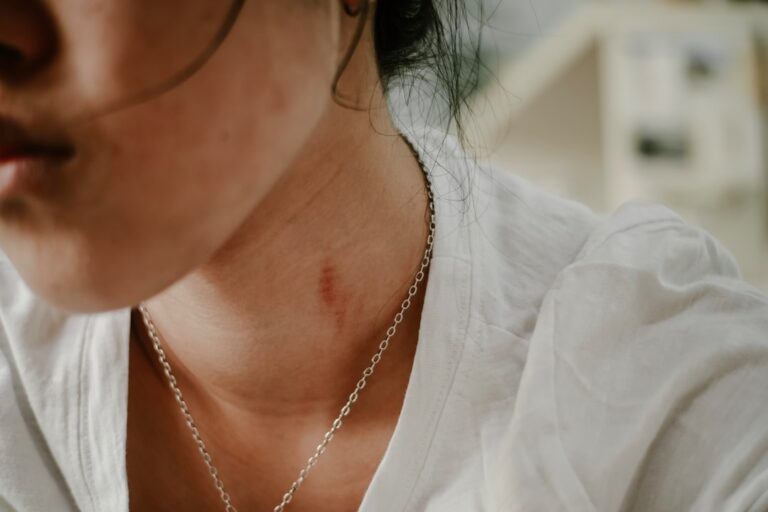
Flat Warts: Causes, Symptoms, Treatment
Flat warts, also known as verruca plana, are a type of skin growth caused by the human papillomavirus (HPV). They are small, smooth, and flat-topped, with a slightly raised border. Flat warts are most commonly found on the face, neck, hands, and legs. They can occur in both children and adults, but are more common in children and young adults.
Flat warts are a common skin condition, affecting millions of people worldwide. They are more common in individuals with weakened immune systems, such as those with HIV/AIDS or organ transplant recipients. People who frequently shave their face or legs are also at a higher risk of developing flat warts.
Key Takeaways
- Flat warts are a type of skin growth caused by the human papillomavirus (HPV).
- They are most commonly found on the face, neck, hands, and legs.
- Flat warts are highly contagious and can be spread through direct contact with an infected person or object.
- Diagnosis of flat warts is usually based on their appearance and location, but a biopsy may be necessary in some cases.
- Treatment options for flat warts include over-the-counter remedies, medical procedures, topical medications, and home remedies, but prevention is the best approach.
Causes of Flat Warts
The primary cause of flat warts is the human papillomavirus (HPV). There are over 100 different types of HPV, and certain types are responsible for causing flat warts. The virus enters the body through small cuts or breaks in the skin and infects the top layer of the skin, causing the formation of flat warts.
Flat warts are highly contagious and can be easily transmitted from person to person. They can be spread through direct contact with an infected person or by touching surfaces that have come into contact with the virus. Sharing personal items such as towels or razors can also spread the virus.
Certain factors can increase the risk of developing flat warts. These include having a weakened immune system, frequent shaving or trauma to the skin, and living in crowded or unsanitary conditions. Individuals who have had previous episodes of flat warts are also more likely to develop them again in the future.
Symptoms of Flat Warts
Flat warts are small, smooth, and flat-topped growths on the skin. They are usually about the size of a pinhead or a small pea and can be pink, light brown, or yellow in color. Flat warts are often found in clusters and can be itchy or painful.
Flat warts typically appear on the face, neck, hands, and legs. They are most commonly found on the cheeks, forehead, and chin in children, and on the legs in adults. Unlike other types of warts, flat warts do not have a rough or cauliflower-like appearance.
It is important to note that flat warts can be easily mistaken for other skin conditions such as moles or skin tags. If you are unsure whether you have flat warts, it is recommended to see a doctor for a proper diagnosis.
Diagnosis of Flat Warts
Doctors can usually diagnose flat warts based on their appearance and location on the body. They may also ask about your medical history and perform a physical examination to rule out other skin conditions.
In some cases, doctors may perform additional tests to confirm the diagnosis of flat warts. These tests may include a skin biopsy, where a small sample of the affected skin is taken and examined under a microscope. This can help determine if the growth is indeed a flat wart caused by HPV.
If you suspect you have flat warts or are unsure about the diagnosis, it is recommended to see a doctor for further evaluation.
Treatment Options for Flat Warts
While flat warts can go away on their own over time, treatment is often recommended to speed up the healing process and prevent further spread of the virus. There are several treatment options available for flat warts, including over-the-counter remedies, medical procedures, and topical medications.
The choice of treatment depends on various factors such as the location and size of the warts, the number of warts present, and individual preferences. It is important to consult with a healthcare professional to determine the most appropriate treatment option for your specific case.
Over-the-Counter Remedies for Flat Warts
There are several over-the-counter remedies available for the treatment of flat warts. These include creams, gels, and patches that contain ingredients such as salicylic acid or lactic acid. These products work by gradually removing the top layer of the skin, allowing new skin to grow in its place.
To use over-the-counter remedies for flat warts, follow the instructions provided on the packaging. It is important to clean the affected area before applying the product and to avoid getting it on healthy skin. It may take several weeks or months of consistent use for the warts to completely disappear.
It is important to note that over-the-counter remedies may not be effective for all cases of flat warts. If your warts do not improve or worsen after using these products, it is recommended to see a doctor for further evaluation and treatment.
Medical Procedures for Flat Warts Removal
In some cases, medical procedures may be necessary to remove flat warts. These procedures are typically performed by a dermatologist or other healthcare professional and may include cryotherapy, laser therapy, or surgical excision.
Cryotherapy involves freezing the warts with liquid nitrogen, causing them to blister and eventually fall off. Laser therapy uses a focused beam of light to destroy the warts. Surgical excision involves cutting out the warts using a scalpel or other surgical instrument.
These medical procedures are generally safe and effective, but they may carry some risks such as scarring or infection. It is important to discuss the potential risks and benefits with your healthcare provider before undergoing any medical procedure.
Topical Medications for Flat Warts
Topical medications can also be prescribed by a healthcare professional to treat flat warts. These medications contain ingredients such as imiquimod or retinoids, which work by stimulating the immune system to fight off the virus.
To use topical medications for flat warts, follow the instructions provided by your healthcare provider. Apply the medication directly to the warts and avoid getting it on healthy skin. It may take several weeks or months of consistent use for the warts to completely disappear.
Topical medications may cause side effects such as redness, itching, or irritation of the skin. If you experience any severe or persistent side effects, it is important to contact your healthcare provider.
Home Remedies for Flat Warts
In addition to over-the-counter remedies and medical procedures, there are also several home remedies that can be used to treat flat warts. These include applying apple cider vinegar, tea tree oil, or garlic to the warts.
To use home remedies for flat warts, apply the chosen remedy directly to the warts and cover with a bandage. Leave it on for several hours or overnight, then remove and clean the area. Repeat this process daily until the warts disappear.
It is important to note that home remedies may not be as effective as other treatment options and may take longer to show results. If your warts do not improve or worsen after using home remedies, it is recommended to see a doctor for further evaluation and treatment.
Prevention of Flat Warts
Preventing the spread of flat warts is important to avoid further infection and transmission of the virus. To prevent flat warts:
– Avoid touching or scratching existing warts.
– Wash your hands regularly with soap and water.
– Avoid sharing personal items such as towels, razors, or clothing.
– Keep your skin clean and dry.
– Avoid walking barefoot in public places such as locker rooms or swimming pools.
If you have flat warts or have been in contact with someone who has them, it is important to seek medical attention for prevention. A healthcare professional can provide guidance on how to prevent further spread of the virus and may recommend treatment options to speed up the healing process.
In conclusion, flat warts are a common skin condition caused by the human papillomavirus (HPV). They are small, smooth, and flat-topped growths that can appear on the face, neck, hands, and legs. Flat warts are highly contagious and can be easily transmitted from person to person.
While flat warts can go away on their own over time, treatment is often recommended to speed up the healing process and prevent further spread of the virus. There are several treatment options available, including over-the-counter remedies, medical procedures, and topical medications. It is important to consult with a healthcare professional to determine the most appropriate treatment option for your specific case.
Preventing the spread of flat warts is important to avoid further infection and transmission of the virus. Following good hygiene practices and avoiding contact with infected individuals or surfaces can help reduce the risk of developing flat warts. If you have flat warts or have been in contact with someone who has them, it is important to seek medical attention for prevention. Taking preventative measures and seeking timely medical attention can help manage and prevent the spread of flat warts.
FAQs
What are flat warts?
Flat warts are small, smooth, and flat-topped growths that appear on the skin. They are caused by the human papillomavirus (HPV) and are usually found on the face, neck, hands, and legs.
Who is at risk of getting flat warts?
Anyone can get flat warts, but they are more common in children and young adults. People with weakened immune systems are also at a higher risk of developing flat warts.
How are flat warts diagnosed?
Flat warts are usually diagnosed by a dermatologist or healthcare provider through a physical examination of the affected area. In some cases, a biopsy may be necessary to confirm the diagnosis.
What are the treatment options for flat warts?
Treatment options for flat warts include topical medications, cryotherapy (freezing the warts with liquid nitrogen), laser therapy, and surgical removal. The choice of treatment depends on the location and number of warts, as well as the patient’s overall health.
Can flat warts be prevented?
Flat warts can be prevented by practicing good hygiene, avoiding contact with infected individuals, and using protection during sexual activity. The HPV vaccine can also help prevent the development of flat warts and other HPV-related conditions.