Fingernail Warts: Causes and Treatment
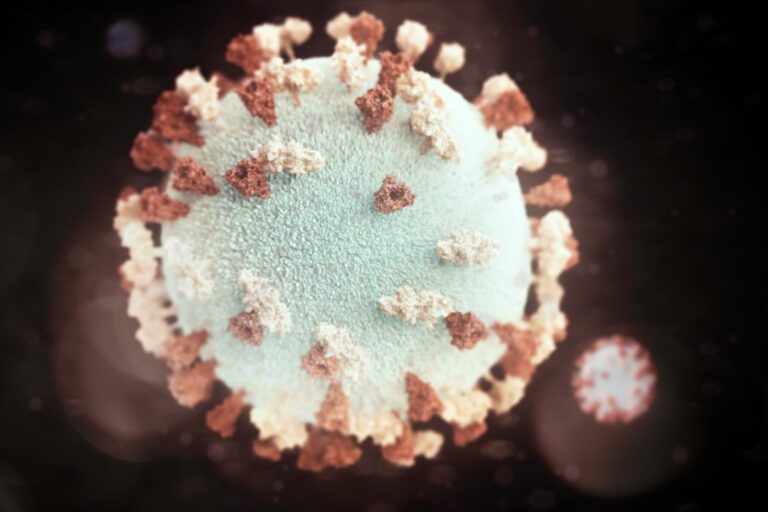
Fingernail warts, also known as periungual warts, are a common dermatological condition that affects the nails. Warts are small, benign growths caused by the human papillomavirus (HPV). They can appear on various parts of the body, including the hands, feet, and genitals. When warts develop around or under the nails, they are referred to as fingernail warts.
There are different types of warts that can affect the fingernails. Common warts, which have a rough, cauliflower-like appearance, are the most frequently seen type. Flat warts, which are smoother and flatter than common warts, can also develop on the nails. Filiform warts, characterized by long, finger-like projections, may occasionally affect the nail bed.
Fingernail warts are relatively common, especially among children and young adults. According to studies, approximately 10% of the population will experience warts at some point in their lives. While anyone can develop fingernail warts, certain factors can increase the risk of infection.
Key Takeaways
- Fingernail warts are caused by the human papillomavirus (HPV) and can be spread through direct contact with an infected person or object.
- Symptoms of fingernail warts include small, raised bumps on or around the nails, pain or tenderness, and changes in nail shape or texture.
- Diagnosis of fingernail warts is typically done through a physical examination and may involve a biopsy or other tests to confirm the presence of HPV.
- Treatment options for fingernail warts include over-the-counter remedies, prescription medications, and surgical removal.
- Prevention of fingernail warts involves practicing good hygiene, avoiding contact with infected individuals or objects, and getting vaccinated against HPV.
Causes of Fingernail Warts
The primary cause of fingernail warts is the human papillomavirus (HPV). HPV is a group of viruses that can infect the skin and mucous membranes. There are over 100 different types of HPV, and each type has a preference for specific areas of the body.
HPV spreads through direct contact with an infected person or contaminated surfaces. The virus enters the body through tiny cuts or breaks in the skin around the nails. Once inside, it infects the cells and causes them to multiply rapidly, resulting in the formation of warts.
Certain risk factors can increase the likelihood of developing fingernail warts. These include having a weakened immune system, such as in individuals with HIV/AIDS or those undergoing immunosuppressive therapy. Additionally, frequent exposure to moist environments, such as swimming pools or communal showers, can increase the risk of HPV infection.
Symptoms of Fingernail Warts
The most obvious symptom of fingernail warts is the appearance of small, raised growths on or around the nails. These growths may have a rough, bumpy texture and can vary in size and shape. Common warts often have a cauliflower-like appearance, while flat warts are smoother and flatter.
In addition to the physical appearance of warts, individuals with fingernail warts may experience pain or discomfort when using the affected finger. This can make it difficult to perform everyday tasks that require fine motor skills, such as writing or typing.
Fingernail warts can also cause changes in the shape or texture of the nails. The affected nail may become thickened, brittle, or discolored. In some cases, the wart may grow under the nail plate, causing it to lift or separate from the nail bed.
It is important to differentiate fingernail warts from other nail conditions, such as fungal infections or nail psoriasis. A dermatologist can perform a physical examination and may recommend additional tests, such as a biopsy or culture, to confirm the presence of HPV.
Diagnosis of Fingernail Warts
To diagnose fingernail warts, a dermatologist will typically perform a physical examination of the affected nails. They will look for characteristic signs of warts, such as small raised growths or changes in nail shape or texture.
In some cases, a biopsy or culture may be necessary to confirm the presence of HPV. During a biopsy, a small sample of tissue is taken from the wart and examined under a microscope. A culture involves collecting cells from the wart and growing them in a laboratory to identify the specific type of HPV.
Imaging tests, such as ultrasound or magnetic resonance imaging (MRI), may be used to assess the extent of the infection. These tests can help determine if the wart has spread to the underlying tissues or bones.
Treatment Options for Fingernail Warts
Prompt treatment of fingernail warts is important to prevent complications and improve outcomes. The choice of treatment depends on the severity and location of the warts, as well as the individual’s preferences and medical history.
For mild cases of fingernail warts, over-the-counter remedies can be effective. Topical creams and ointments containing salicylic acid or other keratolytic agents can help dissolve the wart and promote its removal. Cryotherapy kits, which use freezing temperatures to destroy the wart, can also be used at home.
In more severe cases, prescription medications may be necessary. Antiviral drugs, such as imiquimod or podophyllin, can target the HPV infection and help clear the warts. Immunomodulators, such as interferon or cimetidine, can boost the body’s immune response and aid in wart removal.
In some cases, surgical removal of fingernail warts may be necessary. This is typically reserved for severe or recurrent warts that do not respond to other treatments. Surgical techniques for removing warts from the nails include excision, laser therapy, or electrocautery.
Over-the-Counter Remedies for Fingernail Warts
Over-the-counter remedies can be a convenient and cost-effective option for treating mild cases of fingernail warts. These remedies typically contain ingredients such as salicylic acid or other keratolytic agents, which work by softening and dissolving the wart.
Topical creams and ointments are applied directly to the wart and left on for a specified period of time. They may need to be applied daily for several weeks or months until the wart is completely gone. It is important to follow the instructions provided with the product and to avoid getting the medication on healthy skin.
Cryotherapy kits, which are available over-the-counter, can also be used to freeze the warts at home. These kits typically contain a freezing agent, such as liquid nitrogen, that is applied directly to the wart. The freezing temperature destroys the wart tissue, allowing it to gradually fall off.
When using over-the-counter remedies for fingernail warts, it is important to use them safely and effectively. Follow the instructions provided with the product and avoid using excessive force or pressure when applying the medication. If the warts do not improve or if they worsen, it is recommended to consult a dermatologist for further evaluation and treatment.
Prescription Medications for Fingernail Warts
In more severe cases of fingernail warts, prescription medications may be necessary to effectively treat the infection. These medications are typically prescribed by a dermatologist and are available in various forms, including creams, gels, or injections.
Antiviral drugs, such as imiquimod or podophyllin, can target the HPV infection and help clear the warts. These medications work by stimulating the body’s immune response to fight off the virus. They are typically applied directly to the affected area and may need to be used for several weeks or months.
Immunomodulators, such as interferon or cimetidine, can also be used to treat fingernail warts. These medications work by boosting the body’s immune response and aiding in wart removal. They may be prescribed in combination with other treatments for better outcomes.
It is important to note that prescription medications for fingernail warts may have side effects and precautions. Common side effects include skin irritation, redness, or itching at the application site. Some medications may also interact with other medications or medical conditions, so it is important to inform the dermatologist about any existing health conditions or medications being taken.
Surgical Removal of Fingernail Warts
In severe or recurrent cases of fingernail warts, surgical removal may be necessary to effectively treat the infection. Surgical techniques for removing warts from the nails include excision, laser therapy, or electrocautery.
During excision, the dermatologist will surgically remove the wart and any surrounding infected tissue. This is typically done under local anesthesia to minimize pain and discomfort. Laser therapy involves using a laser to destroy the wart tissue, while electrocautery uses heat to burn off the wart.
After surgical removal of fingernail warts, proper wound care and follow-up care are essential for optimal healing. The dermatologist will provide instructions on how to care for the wound, including keeping it clean and dry, applying antibiotic ointment, and covering it with a bandage. Follow-up appointments may be necessary to monitor healing and ensure that the infection does not recur.
Home Remedies for Fingernail Warts
In addition to over-the-counter and prescription treatments, some individuals may turn to home remedies for treating fingernail warts. These remedies often involve natural ingredients such as tea tree oil, garlic, or apple cider vinegar.
Tea tree oil is known for its antiviral and antifungal properties and may help in treating fingernail warts. It can be applied directly to the affected area using a cotton swab or diluted with a carrier oil for sensitive skin.
Garlic is another natural remedy that has been used for centuries to treat various skin conditions, including warts. Crushed garlic can be applied directly to the wart and covered with a bandage overnight. This process can be repeated daily until the wart disappears.
Apple cider vinegar is believed to have acidic properties that can help dissolve warts. It can be applied directly to the wart using a cotton ball or soaked in a bandage and left on overnight. Regular application of apple cider vinegar may help in gradually removing the wart.
It is important to note that while home remedies may be appealing, there is limited scientific evidence to support their effectiveness in treating fingernail warts. Additionally, these remedies may not be suitable for everyone and can cause skin irritation or allergic reactions. It is recommended to consult a dermatologist before trying any home remedies for fingernail warts.
Prevention of Fingernail Warts
Preventing fingernail warts involves reducing the risk of getting infected with HPV. This can be achieved through proper hygiene and nail care practices.
Regular handwashing with soap and water is essential for preventing the spread of HPV and other infections. It is especially important to wash hands after touching warts or surfaces that may be contaminated with the virus.
Avoiding direct contact with warts or sharing personal items, such as towels or nail clippers, can also help prevent the spread of HPV. If you have a wart, it is important to cover it with a bandage or waterproof tape to prevent it from coming into contact with others.
Vaccination against HPV is another preventive measure that can reduce the risk of developing fingernail warts. The HPV vaccine is recommended for both males and females and is typically given during adolescence. It is most effective when administered before exposure to the virus.
Fingernail warts can be a perplexing and challenging condition to treat. They are caused by the human papillomavirus (HPV) and can affect the nails in various ways. Prompt diagnosis and treatment are important to prevent complications and improve outcomes.
There are several treatment options available for fingernail warts, including over-the-counter remedies, prescription medications, and surgical removal. Home remedies may also be used, although their effectiveness is not well-established.
Preventing fingernail warts involves practicing good hygiene and nail care, as well as getting vaccinated against HPV. Consultation with a dermatologist is recommended for proper management of fingernail warts and to determine the most appropriate treatment approach.
FAQs
What are fingernail warts?
Fingernail warts are small, rough growths that appear on the skin around or under the nails. They are caused by the human papillomavirus (HPV) and can be contagious.
What are the symptoms of fingernail warts?
The symptoms of fingernail warts include small, rough growths around or under the nails, pain or tenderness around the affected area, and changes in the shape or texture of the nails.
How are fingernail warts diagnosed?
Fingernail warts are usually diagnosed by a dermatologist or other healthcare provider who will examine the affected area and may take a biopsy to confirm the diagnosis.
What are the treatment options for fingernail warts?
Treatment options for fingernail warts include topical medications, cryotherapy (freezing the warts with liquid nitrogen), laser therapy, and surgical removal.
Can fingernail warts be prevented?
Fingernail warts can be prevented by avoiding contact with infected individuals, keeping the hands and nails clean and dry, and avoiding biting or picking at the nails.
Are fingernail warts contagious?
Yes, fingernail warts are contagious and can be spread through direct contact with an infected person or by touching surfaces contaminated with the virus.